

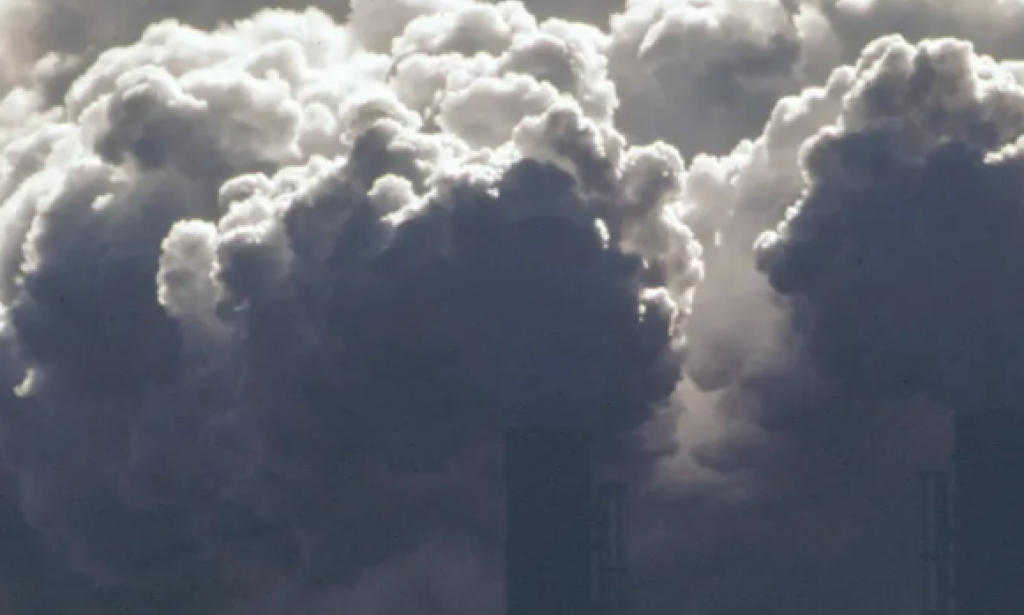

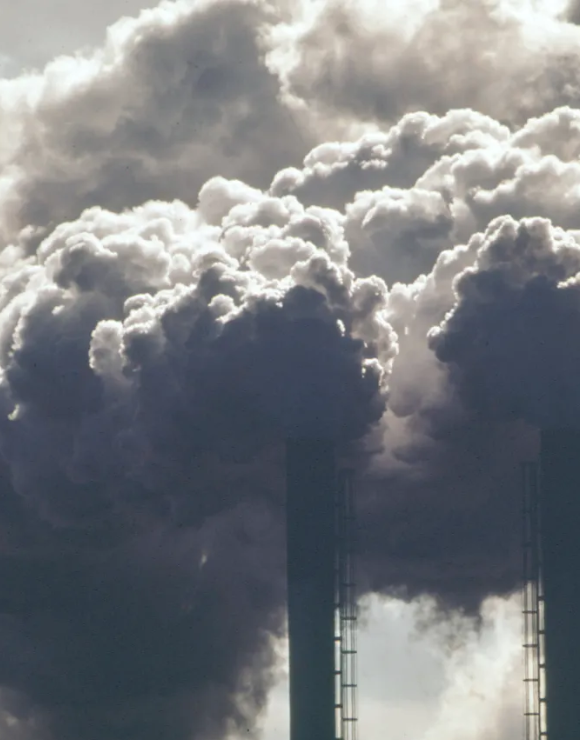
 Ever since Ronald Reagan was president, the Environmental Protection Agency has assigned a value to human life. If you think too long about it, it’s a bit crass, but the upshot was to provide some cost-benefit analysis of pollution controls. Lowering pollution can prolong human life, so if the health benefits of reducing pollution outweighed the costs, then there was an economic argument to be made in favor of those reductions.
Every administration since has assigned some value to human life when determining how to regulate air pollution.
The Trump administration is planning to throw decades of accepted practice out the window, according to a report in the New York Times. If the EPA follows through on its plans, then it would no longer count the value of human health when regulating ozone and fine particulate matter pollution.
The risks of air pollution have been known for decades, which was part of the reason the EPA was founded under President Richard Nixon in the first place.
Ozone and fine particulate matter, also known as PM2.5, have long been linked to cardiovascular ailments like asthma, heart disease, and emphysema.
Ozone high in the atmosphere protects us against UV radiation. But when it forms close to the ground, as happens when oxides of nitrogen are emitted by everything from cars to power plants, it can create smog. On particularly smoggy days, it can be deadly to vulnerable populations.
PM2.5 might be even more pernicious. Recent research has connected PM2.5 to a broader range of illnesses, including Parkinson’s, kidney disease, Alzheimer’s, dementia, and type 2 diabetes. Even the tiniest, youngest infants aren’t spared, since a mother’s exposure to PM2.5 has been linked to low birth weight. Worldwide, as many as 10 million people per year die from fine particulate matter pollution annually. MAHA indeed.

You must be logged in to post a comment.