


The Art of Slow Living: Finding Joy in the Everyday
A few years back, I found myself constantly chasing the next thing. I’d rush through breakfast to get to work early, scroll through my phone while walking to the subway, and spend evenings checking off to-do lists instead of relaxing. I was busy, sure—but I wasn’t happy. It felt like life was passing me by in a blur, and I couldn’t remember the last time I’d truly savored a moment. That’s when I stumbled into slow living—not as a trend, but as a necessity. Slow living isn’t about doing everything at a snail’s pace or abandoning all responsibilities. It’s about choosing to be present, to appreciate the small things, and to find joy in the ordinary moments that make up our days. It’s a mindset shift, and it’s changed everything for me.
I started small, with my morning routine. Instead of hitting snooze five times and then sprinting to get ready, I began waking up 15 minutes earlier. I’d make my way to the kitchen, fill the kettle, and wait for the water to boil—really wait, not scroll through emails while I did it. I’d grind fresh coffee beans, inhaling the rich, earthy aroma as I went. When the coffee was ready, I’d pour it into my favorite mug (the chipped one with blue flowers) and sit by the window. I’d watch the light change as the sun rose, listen to the birds outside, and take slow sips. At first, it felt odd—like I was wasting time. But gradually, that 15 minutes became the best part of my day. It was a quiet, unhurried moment just for me, no distractions, no pressure. That’s the magic of slow living: it turns mundane tasks into moments of peace.
Another small change I made was taking a daily walk after lunch. Before, I’d eat at my desk and jump right back into work. Now, I step outside, even if it’s just for 10 minutes. I walk around the block, or through the tiny community garden near my office. I notice the way the leaves rustle in the wind, the scent of jasmine from a nearby bush, the sound of kids laughing in the distance. I don’t rush, and I don’t check my phone. It’s a chance to reset, to clear my head, and to reconnect with the world around me. I’ve found that these short walks make me more productive in the afternoon—not because I’m working more, but because I’m more present when I do work.
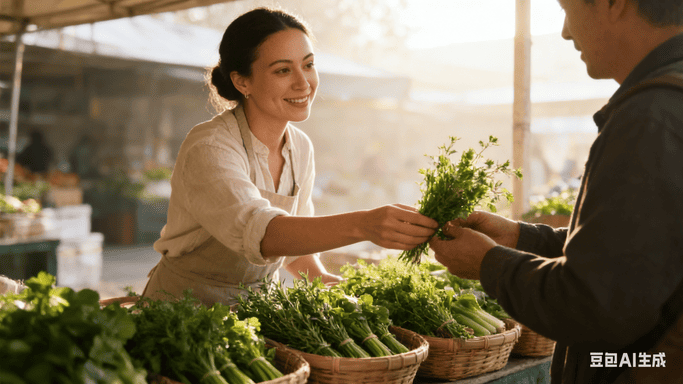
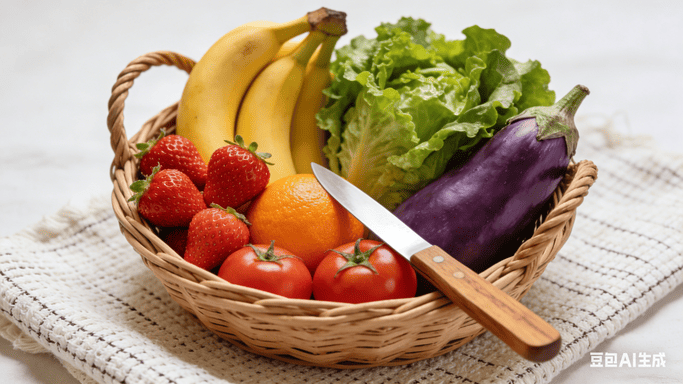
Slow living has also changed how I cook and eat. I used to rely on takeout or pre-made meals, eating while watching TV or working. Now, I try to cook at least a few nights a week. I’ll pick out fresh vegetables from the farmers’ market on weekends—running my fingers over the crisp lettuce, smelling the ripe tomatoes—and take my time preparing them. I chop vegetables slowly, savoring the sound of the knife hitting the cutting board, the aroma of garlic sautéing in olive oil. When the meal is ready, I set the table with real plates and silverware, light a candle, and eat slowly. I notice the flavors, the textures, the way the food nourishes my body. Eating has become a ritual, not a chore. Even simple meals—like a bowl of pasta with fresh tomatoes and basil—feel special when I take the time to savor them.
One of the biggest lessons slow living has taught me is to let go of perfection. I used to think I had to do everything perfectly—keep a spotless house, meet every deadline early, be available for everyone. But that mindset left me exhausted and unfulfilled. Now, I prioritize what’s important. If the dishes pile up for a day, it’s okay. If I don’t get everything on my to-do list done, that’s fine. Slow living is about being kind to yourself, about realizing that life isn’t a race. It’s about enjoying the journey, not just reaching the destination.
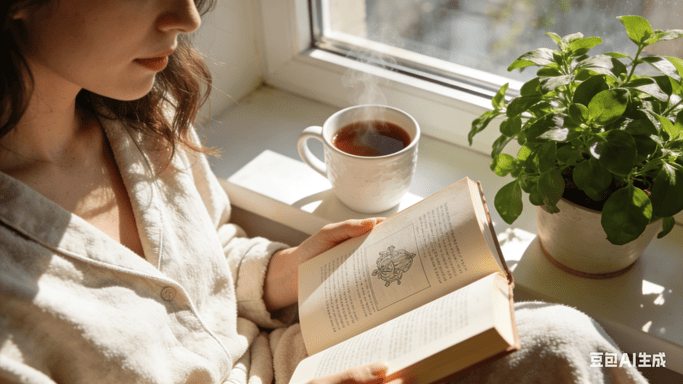
I’ve also started to appreciate the beauty of “doing nothing.” Before, I felt guilty if I wasn’t productive every minute of the day. Now, I’ll sit on my porch in the afternoon, with a cup of tea and a book, and just be. I might not finish the book, and that’s okay. Sometimes I’ll just stare at the clouds, or listen to the rain. Those moments of stillness have become essential to my well-being. They help me recharge, and they remind me of what’s truly important in life—connection, peace, joy.
Slow living isn’t always easy, especially in a world that values busyness and productivity above all else. There are days when I slip back into old habits—when I rush through my morning, or spend too much time on my phone. But when I do, I notice the difference. I feel stressed, anxious, disconnected. So I take a deep breath, and I go back to the small things: a slow cup of coffee, a short walk, a mindful meal. Those small moments pull me back to the present, to the joy of the everyday.
If you’re feeling overwhelmed by the chaos of modern life, I encourage you to try slow living. You don’t need to make big changes. Start with one small thing: wake up a little earlier, take a walk, cook a meal slowly. Be present in that moment, and notice how it makes you feel. Slow living isn’t about living a perfect life. It’s about living a life that’s full—full of joy, full of peace, full of the small, beautiful moments that make life worth living.
At the end of the day, life is made up of moments—not milestones. The art of slow living is simply about noticing those moments, savoring them, and finding joy in the everyday. It’s a choice, and it’s one that I’m grateful to have made.

You must be logged in to post a comment.