



I’ve been trying to answer that question for more than two years now, as part of my beat for the CNN Wellness team. Not only does my team report on the latest lifestyle news, we also provide expert-vetted guidance on how to improve your health — we like to say it’s “news you can use.”
Yet after reading countless studies, talking to dozens of experts and exploring all sorts of trendy apps, I still can’t help you reliably avoid ultraprocessed foods, also known as UPFs.
Come with me to the snack aisle, and I’ll explain why.
The evolution of ‘junk food’
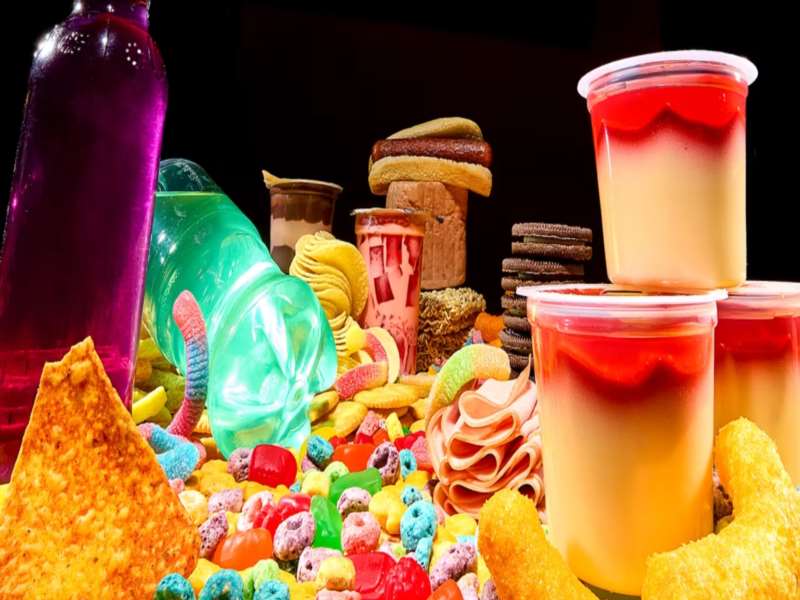
As I pass by all the colorfully packaged candies, cookies and chips, my stomach starts to rumble with anticipation. Typically made of refined grains and overflowing with sugar, salt and fat, these products — which we used to call “junk foods” — are calorie-laden, nutritionally bad for us, and deliciously addictive.
The appeal of junk food hasn’t changed — in fact, experts say it’s only gotten worse as the food industry refined its algorithms to target our “bliss point” — creating the absolute yummiest combinations of sugar, salt and fat to make it nearly impossible to “eat just one.”
Today, many of those same junk foods — as well as the majority of other ultraprocessed foods such as ready-to-eat meals, processed meats, instant and boxed mixes, breakfast cereals, and more — contain newly created synthetic favors, textures, dyes and preservatives.
In fact, today’s preservatives can keep foods looking fresh and tasty for days and weeks, even years — much longer shelf lives than in your great granny’s day.
There’s no doubt that the safety and convenience of such long-lasting, affordable foods has been life-changing. Today, we can make meals from our cabinets without stopping by the store for fresh ingredients or stirring sauce for hours over the stove. We have more of our precious time to spend on other pursuits.
Yet it’s those preservatives and other additives, however, that can make a food ultraprocessed, according to the food classification system NOVA, the most widely used definition of UPFs to date.
NOVA was created in 2009 by Brazilian nutritionist Carlos Augusto Monteiro, who coined the term “ultraprocessed.” Monteiro is an emeritus professor of nutrition and public health in the School of Public Health at Brazil’s University of São Paulo.
NOVA splits food into four categories. First are minimally processed foods — whole foods which we may slightly “process” by cutting (slicing up an orange or apple) and cooking (sautéing vegetables). The second group includes processed culinary items used to prepare, season and cook whole foods — think spices, herbs and oils. Group three consists of processed foods that combine groups one and two — canned or bottled veggies and fruits, salted nuts, and unpackaged, freshly baked breads are examples.
Group four are ultraprocessed foods — which now make up to 53% of an American adult’s diet and 62% of foods eaten by an American child, according to a recent report by the US Centers for Disease Control and Prevention.
According to Monteiro, the products in group four contain little to no whole food. Instead, they are manufactured from “chemically manipulated cheap ingredients” and often use synthetic additives to make them “edible, palatable and habit-forming.”
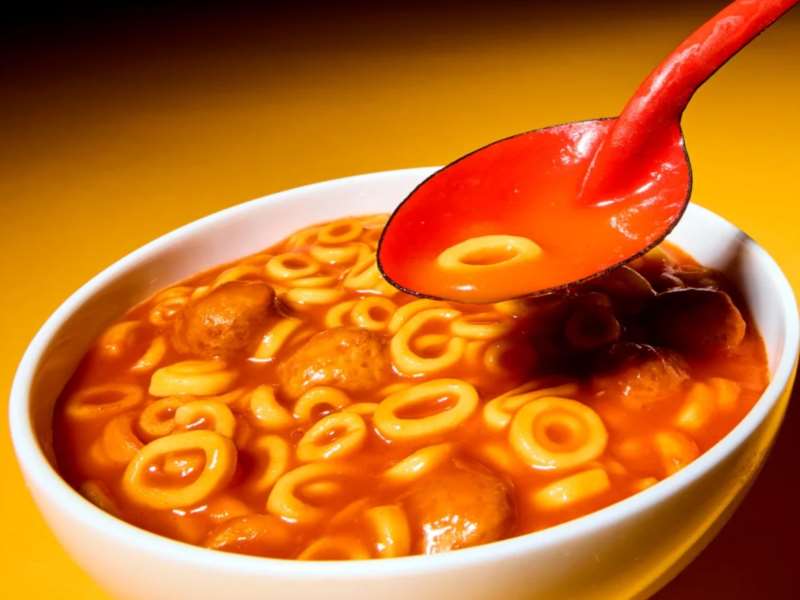
Additives often used in ultraprocessed foods include preservatives to resist mold and bacteria; emulsifiers to keep incompatible ingredients from separating; artificial colorings; fragrance and flavor enhancers; and anti-foaming, bulking, bleaching, gelling and glazing agents.
“No reason exists to believe that humans can fully adapt to these products,” Monteiro cowrote in a 2024 editorial in the journal The BMJ. “The body may react to them as useless or harmful, so its systems may become impaired or damaged, depending on their vulnerability and the amount of ultra-processed food consumed.”
The stakes are high: Studies have shown that eating just 10% more calories a day from ultraprocessed food — that’s about one serving — may be associated with a 50% higher risk of cardiovascular disease-related death. There is also a 55% greater chance of obesity and a 40% higher probability of developing type 2 diabetes. The risk of cognitive decline and stroke also rises, as does the chance of developing cancers of the upper digestive tract.
However, the Consumer Brands Association, which represents major food manufacturers, told me in an email “there is currently no agreed upon scientific definition of ultra-processed foods.”
“Attempting to classify foods as unhealthy simply because they are processed, or demonizing food by ignoring its full nutrient content, misleads consumers and exacerbates health disparities,” said Sarah Gallo, CBA’s senior vice president of product policy. “Americans deserve facts based on sound science in order to make the best choices for their health.”
In addition, she said, food and beverage manufacturers have long invested in product labeling, “so that consumers can review product ingredients and nutrition information and make decisions best for them.”
An ‘illusion of food’
To manufacture cheap, delicious food that is packaged for convenience, experts say basic food crops such as potatoes, corn, wheat and soybeans may be disassembled into their molecular parts — starchy flours, protein isolates, fats and oils — to create what manufacturers call “slurries.” (How do they do it? Watch this video.)
The cell walls of the plants are destroyed, dispersing micronutrients that often need to work together to nurture our bodies. Insoluble plant fiber we need to be healthy may also be lost. What’s left is a substance some scientists call “predigested” — not unlike the regurgitated food a mama bird feeds her babies.
Barry Popkin, the W.R. Kenan Jr. Distinguished Professor at the University of North Carolina at Chapel Hill’s Gillings School of Global Public Health, has seen the process firsthand.
“In the early 2000s, I went into some food plants and I saw the stuff — it was supposed to be granola bars, shredded wheat cereal,” Popkin said. “It was colorless, odorless. I scooped some up in a spoon and tried to taste it — it was like sawdust or something.”
Here’s why eating “predigested” food can be a problem: When we eat whole foods as our bodies are meant to do, we absorb micronutrients throughout the entire digestive process. If they are exploded into smithereens in an ultraprocessed food, do we still have access to them? If we do, are they absorbed by the body in the ways nature meant them to be?
I’m not aware of any studies that answer that question, although research is underway. But according to some food scientists I’ve spoken to, it doesn’t matter — manufacturers just add back missing vitamins, fiber and protein during manufacturing and voilà! It’s as good as new.
Or is it? Is a patched-up Humpty Dumpty really the same Dumpty that fell off the wall?
Let’s get back to the slurries: Next, with the help of artificial colorings, flavorings, texturizers and glue-like emulsifiers, ingredients are mixed, heated, pounded, shaped or extruded into any food a manufacturer can dream up.
“It’s an illusion of food,” Dr. Chris van Tulleken told me last year. He is a BBC contributor and professor of infection and global health at University College London.
“It’s really expensive and difficult for a food company to make food that is real and whole, and much cheaper for food companies to destroy real foods, turn them into molecules, and then reassemble those to make anything they want,” said van Tulleken, author of the 2023 book “Ultra-Processed People: Why Do We All Eat Stuff That Isn’t Food … and Why Can’t We Stop?”

You must be logged in to post a comment.