

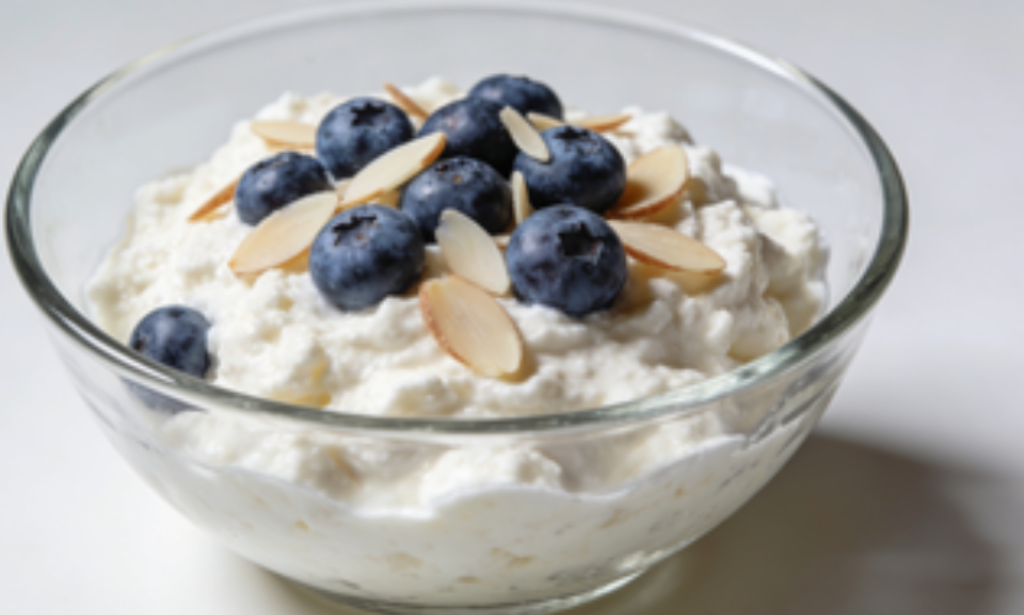

During the muscle gain period, muscle repair and growth don’t just happen during workouts—they occur 24 hours a day, especially while you sleep. This is why choosing a slow-digesting protein source is crucial for supporting continuous muscle synthesis and preventing muscle breakdown, all while promoting fat loss. Cottage cheese is an excellent option in this regard—it’s packed with casein protein, a slow-digesting protein that provides a steady supply of amino acids to muscles over several hours. Additionally, cottage cheese is low in fat, high in nutrients, and versatile, making it a perfect addition to a clean bulking diet. In this article, we’ll explore the fat loss effects and muscle-building benefits of cottage cheese during the bulking phase, and share how to incorporate it into your diet.
The primary benefit of cottage cheese for clean bulking is its high casein protein content. Casein is a slow-digesting protein that forms a gel-like substance in the stomach, which slows down the absorption of amino acids into the bloodstream. This provides a steady supply of amino acids to muscles for 6-8 hours, supporting continuous muscle repair and growth. Unlike whey protein, which is fast-digesting and ideal for post-workout recovery, casein is perfect for before bed, as it keeps muscles fed throughout the night—preventing muscle breakdown and promoting muscle synthesis. A 100-gram serving of low-fat cottage cheese contains approximately 11 grams of protein, most of which is casein.
Cottage cheese is also low in fat and calories, making it ideal for fat control during the bulking phase. A 100-gram serving of low-fat cottage cheese contains only about 72 calories and 1.2 grams of fat. This low calorie-to-protein ratio means that you can consume a large portion of cottage cheese to meet your protein needs without adding excessive calories. Additionally, the protein in cottage cheese has a high thermic effect, boosting your metabolism and helping you burn more calories throughout the day. This combination of slow-digesting protein and low calories makes cottage cheese a powerful food for both muscle gain and fat loss.
Another key benefit of cottage cheese is its high calcium content. Calcium is essential for muscle function, as it plays a role in muscle contraction and relaxation. It also supports bone health, which is important for withstanding the intense training that comes with the bulking phase. Additionally, calcium has been shown to play a role in fat metabolism—some studies have found that adequate calcium intake can help reduce fat storage by increasing the breakdown of fat cells. A 100-gram serving of low-fat cottage cheese provides approximately 125 milligrams of calcium, which is 13% of the daily recommended intake.
Cottage cheese is also rich in phosphorus, which works with calcium to support bone health and muscle function. Phosphorus is also involved in energy production, helping to convert food into ATP—the primary source of energy for muscle contractions. A 100-gram serving of low-fat cottage cheese contains about 150 milligrams of phosphorus, which is 15% of the daily recommended intake. Additionally, cottage cheese contains vitamin B12, which supports nervous system function and red blood cell production, and selenium, an antioxidant that protects cells from damage.
To maximize the benefits of cottage cheese during the bulking phase, it’s important to choose low-fat or non-fat varieties. Avoid full-fat cottage cheese, which is high in saturated fat and calories. When buying cottage cheese, check the ingredient list to ensure that there are no added sugars or artificial flavors—opt for plain cottage cheese instead of flavored varieties, which are often loaded with sugar.
Incorporating cottage cheese into your bulking diet is easy and versatile. The best time to eat cottage cheese is before bed—mix a 200-300 gram portion of plain low-fat cottage cheese with a small amount of natural peanut butter, berries, or chia seeds for a high-protein, low-calorie snack that will keep your muscles fed throughout the night. For breakfast, add cottage cheese to oatmeal or smoothies for a protein boost. For a mid-afternoon snack, eat cottage cheese with a handful of almonds or a piece of fruit for a balanced mix of protein, healthy fats, and carbs. You can also use cottage cheese as a substitute for sour cream or cream cheese in recipes to reduce the fat and calorie content.
Portion control is important with cottage cheese, even though it’s low in fat. A typical serving size during the bulking phase is 200-300 grams, which provides 22-33 grams of protein and 144-216 calories. This portion size is enough to support muscle repair and growth without adding excessive calories. Additionally, balance your protein intake with other sources like chicken, beef, and fish to ensure a varied diet.

You must be logged in to post a comment.