

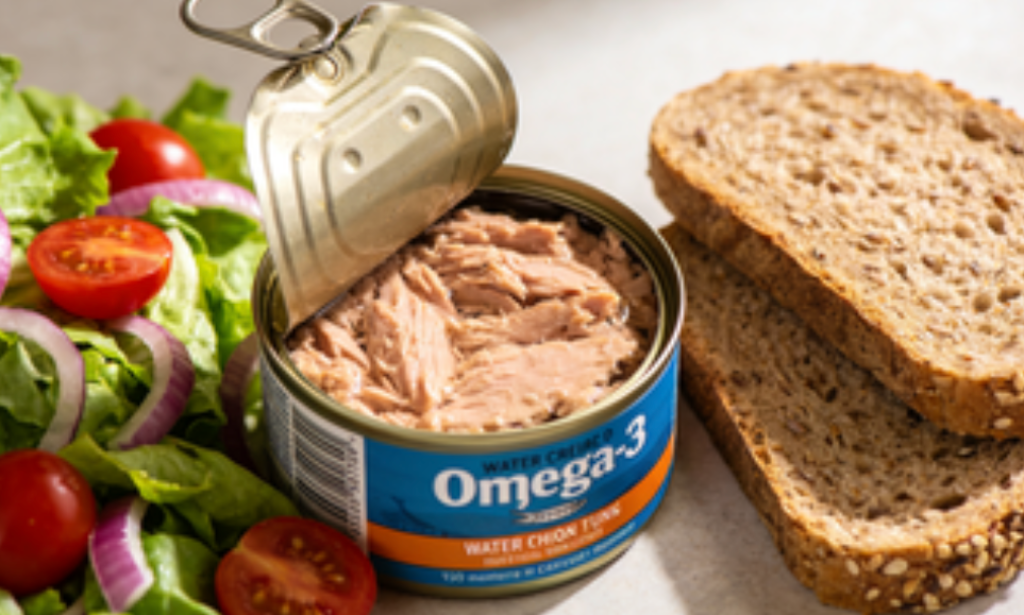

For fitness enthusiasts looking to clean bulk—build muscle without excessive fat gain—canned tuna (in water) is an affordable, convenient, and nutrient-dense protein source. Tuna is packed with high-quality protein, omega-3 fatty acids, and essential nutrients that support muscle growth, enhance fat metabolism, and reduce inflammation. Unlike fatty fish like salmon, canned tuna (in water) is low in calories and fat, making it ideal for controlling fat gain during the bulking phase. In this article, we’ll explore the fat loss effects and muscle-building benefits of canned tuna during the muscle gain period, and share how to incorporate it into your diet.
The high protein content of canned tuna is its primary benefit for clean bulking. A 100-gram serving of canned tuna (in water, drained) contains approximately 30 grams of protein, which is a complete protein source—providing all nine essential amino acids needed for muscle repair and growth. Protein is crucial during the bulking phase, as it supports muscle synthesis and has a high thermic effect, boosting your metabolism and helping you burn more calories. Additionally, the protein in tuna promotes satiety, keeping you full for longer and reducing cravings for high-calorie foods that can lead to fat gain.
Canned tuna is also rich in omega-3 fatty acids, specifically eicosapentaenoic acid (EPA) and docosahexaenoic acid (DHA). These omega-3s are essential for muscle growth and fat loss—they reduce inflammation in the body, which is common after intense workouts. Chronic inflammation can hinder muscle recovery and fat loss, so reducing inflammation is crucial for optimizing performance during the bulking phase. Omega-3s also support hormone production, including testosterone, which is critical for muscle growth. Additionally, omega-3s have been shown to improve insulin sensitivity, which helps stabilize blood sugar levels and prevent fat storage.
Another key benefit of canned tuna is its low calorie and fat content. A 100-gram serving of canned tuna (in water, drained) contains only about 128 calories and 1.6 grams of fat. This low calorie-to-protein ratio means that you can consume a large portion of tuna to meet your protein needs without adding excessive calories. This is especially beneficial during the bulking phase, when you need to consume more calories to build muscle but want to avoid excessive fat gain.
Canned tuna is also a good source of selenium, an antioxidant that protects cells from damage caused by free radicals. Free radicals are produced during intense workouts and can lead to muscle fatigue and soreness, so selenium helps speed up recovery. A 100-gram serving of canned tuna contains approximately 78 micrograms of selenium, which is 142% of the daily recommended intake. It also contains vitamin B12, which supports nervous system function and red blood cell production, and niacin, which aids energy production.
To maximize the benefits of canned tuna during the bulking phase, it’s important to choose tuna canned in water, not oil. Tuna canned in oil is high in calories and fat, which can lead to excessive calorie intake. Additionally, choose low-sodium or no-salt-added varieties to reduce sodium intake, as high sodium can cause bloating. When buying canned tuna, look for brands that use sustainable fishing practices to support environmental health.
Incorporating canned tuna into your bulking diet is easy and convenient. For lunch, make a tuna salad with canned tuna, mixed greens, cherry tomatoes, cucumber, and a drizzle of olive oil and balsamic vinegar. You can also add canned tuna to wraps, sandwiches, or stir-fries for a quick protein boost. For meal prep, mix canned tuna with quinoa and roasted vegetables for a balanced meal that’s easy to take on the go. For a post-workout snack, eat canned tuna with whole-grain crackers and a small amount of avocado for a mix of protein, healthy fats, and carbs.
Portion control is important with canned tuna, even though it’s low in fat. A typical serving size during the bulking phase is 150-200 grams, which provides 45-60 grams of protein and 192-256 calories. This portion size is enough to support muscle growth without adding excessive calories. Additionally, limit your intake of canned tuna to 2-3 times per week due to mercury content—choose smaller tuna species like skipjack, which have lower mercury levels than larger species like albacore.

You must be logged in to post a comment.