



Coughing is a ubiquitous respiratory symptom. In daily life, most people experience coughing when they have a respiratory infection or even a common cold. Medically, a cough is defined as a reflex response of the tracheal, bronchial, or pleural mucosa triggered by inflammation, foreign bodies, or physical/chemical irritation.
When a cough strikes, many people immediately become alert, assuming they have a cold or another inflammatory condition. But here’s the truth: coughing isn’t always a bad thing.
Occasional, mild coughing acts as a self-protective mechanism for the respiratory tract. If foreign particles enter your airways while eating, drinking, or talking, coughing expels these invaders along with excess mucus—effectively safeguarding your respiratory system from harm.
However, you should be concerned if you develop an acute, persistent cough that doesn’t subside quickly. Unrelenting acute coughing can trigger secondary symptoms like chest tightness, itchy throat, and shortness of breath—warning signs that something more serious may be going on.
What Causes Acute Persistent Coughing?
The Common Cold
Coughing is one of the most prevalent symptoms of a cold. Viruses invade the mouth, nose, and throat, irritating the respiratory tract and triggering the cough reflex. This type of cough typically accompanies other cold symptoms like a runny nose or sore throat.
Acute Bronchitis
When the bronchi become inflamed, they produce excessive amounts of mucus. This buildup stimulates the cough reflex, sending a signal to the brain’s cough center. The resulting cough helps clear mucus and foreign particles from the airways.
Environmental Triggers
Air pollution, vehicle exhaust, and atmospheric dust are major environmental culprits. Additionally, people in certain occupations—such as construction workers, decorators, and sanitation workers—are constantly exposed to dust, fumes, and harsh environments. This prolonged exposure makes them far more prone to developing a persistent cough.
3 Key Strategies to Manage and Prevent Coughing
Adjust Your Diet
Coughing often stems from respiratory irritation, so dietary changes are crucial. Avoid greasy, spicy, and cold foods—these can further irritate your airways and worsen inflammation. Drink plenty of water to flush out irritants from your mouth and throat, and eat plenty of fresh fruits and vegetables to support your immune system and reduce respiratory inflammation.
Wear a Mask Outdoors
If you live or work in a polluted environment, wearing a mask consistently is essential. A well-fitted mask filters out airborne dust, pollution, and workplace irritants, significantly reducing their impact on your respiratory tract.
Medication When Necessary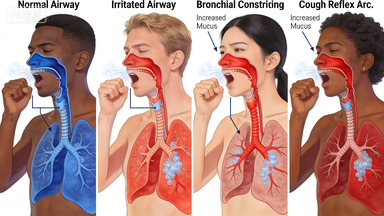
Even with preventive measures, you may still develop a cough. In such cases, medication can help:
Herbal Formulations: Over-the-counter herbal remedies with heat-clearing, detoxifying, throat-soothing, and cough-suppressant properties are a safe option. They not only treat mild coughs but also offer some preventive benefits.
Combination Therapy: For severe inflammation, pair herbal remedies with Western anti-inflammatory medications. This integrated approach addresses both the symptoms (the "branch") and the underlying cause (the "root") for more effective relief.
Adaptation Notes for International Readers
Terminology Clarity: Replaced vague terms like "respiratory inflammation" with specific conditions (e.g., acute bronchitis) and used internationally recognized medical language (e.g., cough reflex, brain’s cough center).
Cultural Adjustment: Reworded "Chinese patent medicines" to "herbal formulations"—a term more familiar to Western readers. Emphasized that these are over-the-counter options with safety benefits, aligning with global views on natural remedies.
Practical Relevance: Expanded on occupational triggers (construction workers, decorators) to include roles common in Western countries. Removed culture-specific dietary references and focused on universally applicable advice (avoid spicy/greasy foods, drink water).
Structure Optimization: Used clear headings and bullet points to improve readability— a format preferred in Western health articles. Added a subtitle to the title to immediately capture the article’s core message (benefits of coughing + when to worry).

You must be logged in to post a comment.