



Sufficient calorie intake is foundational to optimizing exercise performance and physical capacity. A calorie deficit during training can trigger a cascade of negative outcomes, including accelerated muscle breakdown, impaired recovery, reduced bone mineral density, mood disturbances, and menstrual dysfunction in female athletes. Maintaining a calorie surplus after resistance training is a key factor in driving muscle hypertrophy.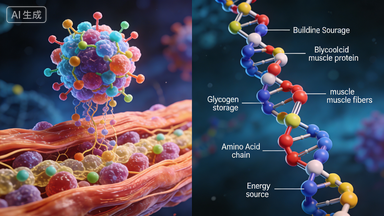
Total calories are critical, but carbohydrate and protein intake demand equal focus:
Carbohydrates serve as the body’s primary fuel for exercise. Research consistently shows that carb intake tailored to your exercise demands boosts both endurance and performance in high-intensity interval training (HIIT).
Protein is indispensable for muscle protein synthesis and post-workout recovery. Consuming protein after training is essential to achieve a positive net protein balance—the core of muscle growth.
Does Exercising Fasted vs. Fed Impact Blood Sugar Control & Insulin Sensitivity?
Exercise is a proven driver of better blood sugar regulation and improved insulin sensitivity, with these benefits stemming from key physiological adaptations:
Enhanced adaptive muscle insulin signaling
Increased skeletal muscle GLUT4 (glucose transporter 4) expression
Boosted intracellular oxidative enzyme activity
Greater muscle capillary density
However, research has not yet established whether fasted exercise offers superior benefits to fed exercise for these markers. Current evidence highlights that regular exercise and weight management are the primary factors improving blood sugar control and insulin sensitivity, while the fasted/fed training status is a secondary consideration. As research into this specific topic is still in its early stages, definitive conclusions should be reserved for future studies.

You must be logged in to post a comment.