



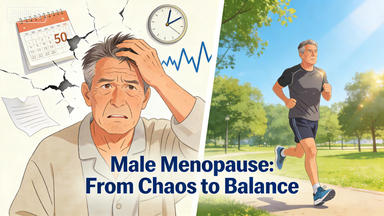
When menopause is mentioned, most people immediately think of women and decreased sexual function. This is a major misunderstanding. Menopause is a transitional period from middle age to old age—it is not exclusive to women; men experience it too. Furthermore, the effects of menopause on the body are systemic.
Paying attention to physical maintenance during this period can lay a solid foundation for the upcoming old age and promote long-term health. Focusing solely on menopause’s impact on sexual health is shortsighted and may lead to neglecting more critical health issues. Today, we will explore the symptoms of male menopause, its effects on the body, and practical health strategies for men going through this transition.
Men Over 50: Watch for These Symptoms to Spot Menopause
Male menopause receives less attention largely because, unlike women, men experience a gradual decline in sex hormones. Female menopause typically occurs between the ages of 45 and 55, during which estrogen levels drop sharply—resulting in obvious, noticeable symptoms. In contrast, male menopause (andropause) happens between 50 and 65, with a slow, steady decrease in testosterone. This gradual decline makes male menopause symptoms much milder than those in women.
While this gender difference in hormone changes spares men from some of the severe distress of menopause, many end up ignoring health maintenance during this period. This oversight can plant hidden health risks that manifest in old age.
Humidifier.jpg
Men going through menopause often exhibit the following symptoms. Those over 50 should be particularly vigilant:
 Caption
1. Emotional Instability
Affected by hormonal fluctuations, men may experience extreme emotions such as anxiety, depression, and irritability during menopause, often with uncontrollable outbursts. If you are over 50 and notice a declining ability to manage your emotions, it may be a sign of male menopause.
2. Decreased Sexual Function
Low testosterone levels during male menopause can lead to symptoms like shrinking and softening of the testes, gynecomastia (breast enlargement), loss of morning erections, reduced libido, and impaired sexual function. If you experience these changes, it is advisable to seek medical attention promptly.
3. Urinary System Abnormalities
Menopause is a high-risk period for benign prostatic hyperplasia (BPH). An enlarged prostate compresses the bladder and ureters, causing symptoms such as frequent urination, urgent urination, and incomplete bladder emptying. Middle-aged and elderly men with urinary abnormalities should be alert to BPH.
Impacts of Menopause on Men’s Health
1. Increased Risk of Cardiovascular Diseases
Testosterone plays a key role in promoting protein synthesis, muscle growth, and the development of the body and bones. During menopause, reduced testosterone secretion slows down metabolism, leading to muscle atrophy and increased body fat. These changes significantly raise the risk of cardiovascular diseases.
shutterstock_262127384.jpg
2. Accelerated Calcium Loss
After menopause, men also experience accelerated calcium loss, further increasing the risk of osteoporosis. Osteoporosis in the elderly greatly raises the chance of fractures—such as leg or hip fractures—following accidental falls.
Health Maintenance Strategies for Male Menopause
1. Medical Treatment
Men with severe symptoms such as persistent anxiety, sexual dysfunction, or urinary abnormalities should seek timely medical care. Testosterone replacement therapy is a common treatment for male menopause, as it helps boost testosterone levels. However, self-administration of testosterone is strongly discouraged. Any hormone supplementation must be under the guidance of a healthcare provider.
2. Moderate Exercise
Exercise stimulates the secretion of dopamine, helping to alleviate emotional fluctuations caused by low testosterone. Additionally, regular exercise maintains a high metabolic rate, which supports cardiovascular health, muscle growth, and the preservation of bone density.
3. Regular Daily Routine
Maintaining a regular schedule, getting adequate rest, and following a balanced diet are fundamental to sustaining overall health during male menopause.
Summary (For Image Caption)
Key Takeaways on Male Menopause: - It’s a natural transitional period, not just for women. - Early recognition of symptoms (emotional instability, sexual/urinary issues) is crucial. - Risks include increased cardiovascular diseases and osteoporosis. - Health maintenance: Medical guidance, moderate exercise, and regular routine.

You must be logged in to post a comment.