


Ever wonder, "Why do I snack all day, even when I'm not hungry?" You’re definitely not alone. Many people find themselves caught in the "grazing" cycle: constantly nibbling, feeling like snacks control them, and never truly feeling satisfied.
As a registered dietitian who specializes in mindful eating, I've seen this challenge time and again. The good news? You don’t have to follow a strict diet or feel deprived to break free from grazing.
In this article, I’ll guide you through:
-
Why you might be stuck in the grazing habit
-
How to tell the difference between emotional and physical hunger
-
Simple, mindful strategies to stop grazing and feel at ease with food
-
A free resource to help you reset your eating habits
Let’s jump in!
Why Do We Graze All Day? (It’s Not Just About Willpower)
Grazing is often blamed on a lack of willpower, but it’s rarely that simple. There are usually a few root causes that keep us snacking all day:
-
Unbalanced Meals
If your meals don’t hit the mark nutritionally—missing protein, fats, or fiber—you’re more likely to get hungry again soon, triggering unnecessary snacking. -
Emotional Eating & Stress
Boredom, stress, or anxiety often drive the urge to snack, especially when we’re looking for comfort during long workdays or late-night cravings. -
Lost Connection to Hunger Cues
If you've been dieting or focusing on food rules for too long, it’s easy to lose touch with your body’s natural hunger and fullness signals, leading to mindless eating. -
Lack of Structure or Routine
Without a clear meal rhythm, it’s easy to snack throughout the day—especially when you’re working from home or your food isn't set out in an organized way. -
Food Accessibility & Environment
If snacks are always within arm’s reach and constantly visible, it’s easy to mindlessly munch, often without even realizing it.
How to Stop Grazing All Day (Without Feeling Restricted)
Now that you know why it happens, here’s how to break free from the cycle, gently and mindfully:
-
Focus on Balanced, Satisfying Meals
Make sure each meal contains a balance of:
-
Protein (keeps you full)
-
Healthy Fats (adds satisfaction)
-
Fiber-rich Carbs (for steady energy)
-
Non-Starchy Veggies (for volume and nutrients)
-
Flavors You Enjoy (because food should be fun!)
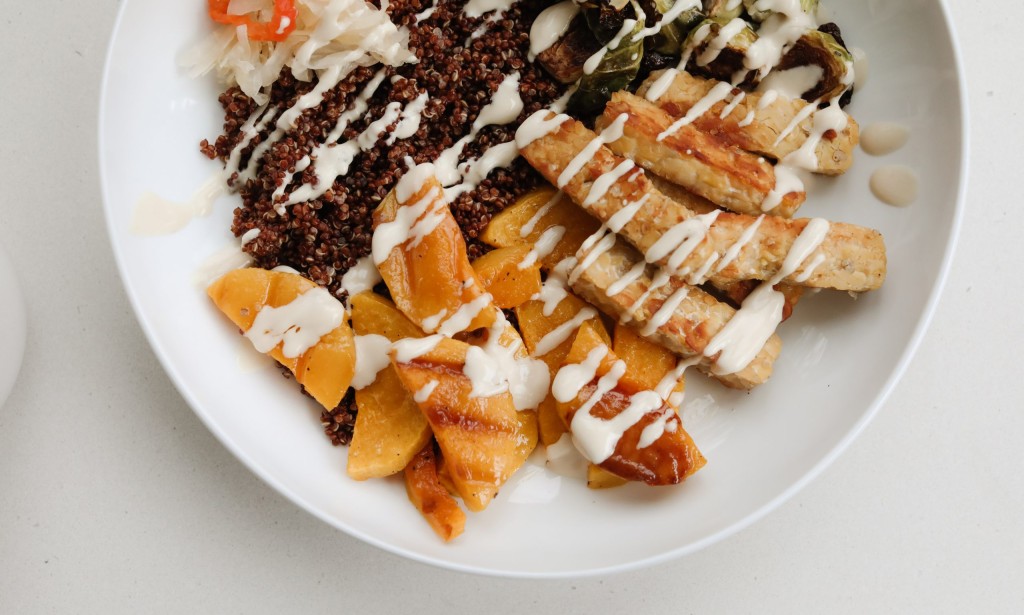
A helpful method I use is the Foundational Five Meal Formula, which takes the guesswork out of creating balanced meals that satisfy both hunger and cravings.
-
Reconnect with Your Hunger & Fullness Cues
Before grabbing a snack, pause for a second and ask yourself:
-
Am I physically hungry, or is it something else (stress, boredom)?
-
Where do I feel this sensation in my body?
-
What would truly nourish me right now?
This simple pause helps you make mindful decisions instead of eating on autopilot.
-
Set Gentle Meal & Snack Rhythms
Instead of grazing randomly, create gentle meal "anchors" throughout your day. Try having meals at roughly the same time every day, and if needed, add intentional snack breaks between meals.
This isn't about a rigid schedule—it’s about creating a rhythm that lets your body and mind relax around food.
-
Redesign Your Food Environment
Out of sight, out of mind:
-
Keep meals and snacks in designated eating areas.
-
Store high-trigger snacks out of immediate reach (or portion them mindfully).
-
Avoid eating straight from bags or packages—serve your snacks on a plate or in a bowl.
-
Soothe Emotional Triggers Without Food
If emotional eating is behind your grazing, try non-food solutions like:
-
Deep breathing or a quick meditation
-
Journaling your thoughts
-
Taking a short walk outside
-
Talking to a friend or therapist
Sometimes, what we really need isn’t food—it’s connection or stress relief.
-
Let Go of Perfectionism Around Eating
One major trigger for grazing is all-or-nothing thinking. If you find yourself thinking:
-
“I’ve already messed up today, might as well keep going.”
-
“I’ll restart tomorrow.”
Pause and remind yourself: Every moment is a fresh start. No guilt or punishment needed.
Bonus Tip: Don’t Fear Snacks—Make Them Mindful
Snacking doesn’t have to be “bad.” In fact, mindful, balanced snacks can help keep your energy up throughout the day.
Here’s the key: snack with intention.
-
Pause and check in with yourself before eating.
-
Portion your snack and enjoy it without distractions (no phone or work!).
-
Choose snacks that include protein, fiber, and healthy fats to keep you feeling satisfied longer.

You must be logged in to post a comment.