



He can last for an exceptionally long time during sex and feels sexually motivated every day—but he’s plagued by a frustrating problem: he can’t ejaculate. He’s deeply distressed by this, wondering if his prolonged sexual activity is the cause of his anejaculation.
Doctors explain that the duration of sexual intercourse is not a measure of sexual quality, nor is longer duration something to boast about. Anejaculation has many causes, and deliberately prolonging the time to ejaculation is one of them. Everything has two sides: if a man solely focuses on extending intercourse time by repeatedly using distraction techniques to suppress ejaculation, he may develop a habit of delayed ejaculation. Over time, this can lead to complete anejaculation, which not only impairs sexual satisfaction for both partners but also may cause infertility.
Beyond this, three other key factors can trigger anejaculation:
1. Desiring Intense Stimulation
Some people seek intense sexual gratification through vigorous masturbation. If a man becomes long-term accustomed to the high-intensity stimulation of masturbation, normal sexual intercourse may feel insufficiently stimulating to trigger ejaculation. As a result, individuals with a history of frequent masturbation are more prone to anejaculation or delayed ejaculation.
2. Medication Use
Clinical research shows that long-term use of certain medications can lead to sexual dysfunction and an inability to reach orgasm, thereby reducing sexual quality. These include: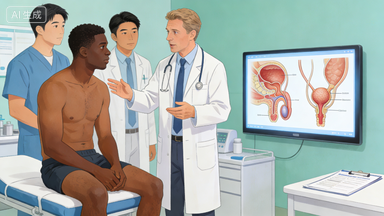
Antihypertensive drugs
Medications for neurasthenia
These drugs may also disrupt the normal circulation of serotonin in the brain, which can directly cause anejaculation.
3. Abnormal Sexual Psychology
Studies have found that unpleasant sexual experiences can leave psychological scars and lead to sexual dysfunction. Relationship conflicts, emotional trauma, or a fear of ejaculation can all interfere with the ejaculatory reflex.
How to Overcome or Treat Anejaculation?
1. Relieve Stress and Overcome Psychological Barriers
Most cases of functional anejaculation are caused by excessive psychological pressure or a lack of sexual knowledge. During treatment:
The man should relax, overcome anxiety, and focus on the pleasure of the experience rather than the goal of ejaculation.
His partner should provide support and avoid using critical or discouraging language. Creating a relaxed, passionate environment can help enhance sexual stimulation, allowing the penis to receive sufficient sensory input to trigger ejaculation.
2. Medication Therapy
Two common medications used to treat anejaculation are ephedrine and levodopa:
Ephedrine: Acts on α and β receptors to stimulate the central nervous system and increase muscle tone. Taking 50–60 mg orally one hour before intercourse can help restore ejaculatory function. As an adrenergic receptor agonist, it prompts postganglionic sympathetic fibers to release catecholamines, strengthening the contraction of smooth muscles in the reproductive tract and promoting ejaculation.
Levodopa: Lowers prolactin levels and increases adrenaline in the bloodstream, thereby stimulating the cerebral cortex.
Important Warnings: Ephedrine and levodopa should be used with caution in patients with liver or kidney impairment, heart or lung disease, or a history of seizures. For enhanced efficacy, medication therapy can be combined with bromocriptine.
3. Surgical Treatment
For functional anejaculation caused by redundant foreskin or phimosis (tight foreskin that cannot retract), circumcision can expose the glans penis. This allows the penis to normally perceive sexual stimulation and trigger the ejaculatory reflex.
Clinical doctors remind that it is understandable for men to pursue high-quality sexual experiences, but it is crucial to use correct methods. Relaxing the mind, overcoming fear, and letting nature take its course are the best approaches.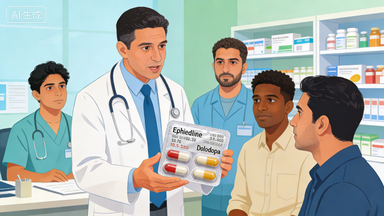
Adaptation Notes for International Readers
Terminology Standardization: Used internationally recognized medical terms (e.g., anejaculation, functional anejaculation, adrenergic receptor agonist, circumcision) instead of vague or region-specific expressions.
Cultural Adjustment: Removed culturally sensitive phrases like "手淫党" (masturbation party) and rephrased it to "individuals with a history of frequent masturbation"—a neutral, respectful term suitable for Western audiences. Also, emphasized mutual sexual satisfaction for both partners, which aligns with modern Western views on sexuality.
Medication Clarity: Clearly listed the generic names of medications (ephedrine, levodopa, bromocriptine) and their mechanisms of action, dosages, and warnings—information that is relevant and understandable to international readers.
Structure Optimization: Used clear headings and bullet points to improve readability, a format preferred in Western health and wellness articles. The title is also designed to be direct and attention-grabbing, which is common in Western online content.

You must be logged in to post a comment.