

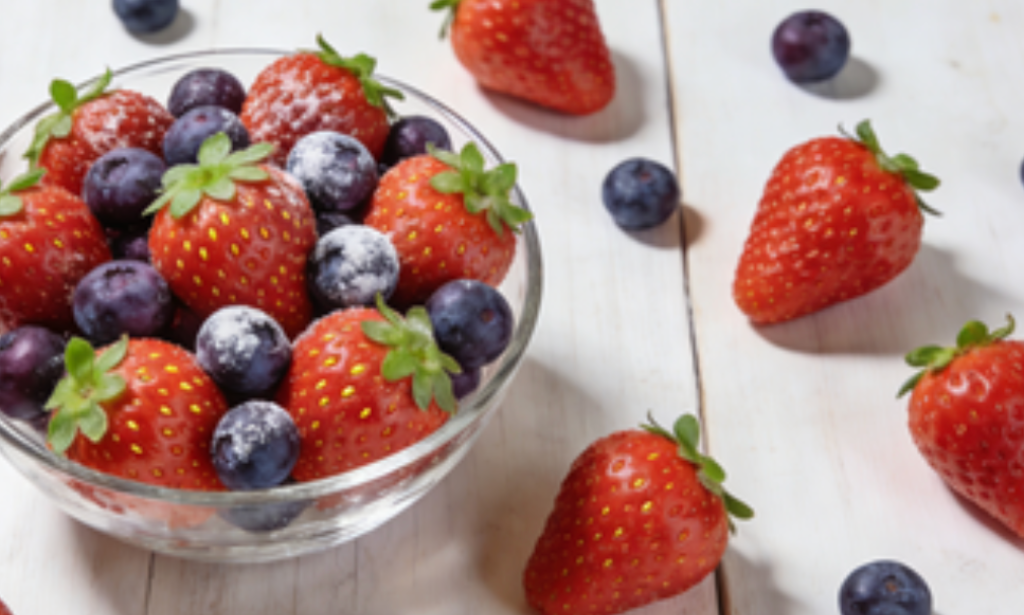

When it comes to fat loss, finding sweet treats that are low in sugar and high in nutrients can be a challenge—but berries (like strawberries and blueberries) are the perfect solution. These colorful fruits are packed with antioxidants, fiber, and vitamins, while being low in calories and sugar. Unlike high-sugar fruits (e.g., bananas, mangoes) that can spike blood sugar and promote fat storage, berries have a low glycemic index, making them ideal for the period. In this article, we’ll explore the fat loss effects and health benefits of strawberries and blueberries, and share how to incorporate them into your diet.
One of the key fat loss benefits of berries is their low calorie and sugar content. A 100-gram serving of strawberries contains only about 32 calories and 4.9 grams of sugar, while a 100-gram serving of blueberries contains approximately 57 calories and 14.5 grams of sugar. While blueberries have slightly more sugar than strawberries, both are significantly lower in sugar than most other fruits. The sugar in berries is natural fructose, which is metabolized differently than added sugars. Additionally, the high fiber content of berries (2.0 grams per 100 grams for strawberries, 2.4 grams per 100 grams for blueberries) slows down the absorption of sugar, preventing blood sugar spikes that promote fat storage.
Berries are also rich in antioxidants, which play a crucial role in fat loss. The main antioxidants in berries are anthocyanins—pigments that give strawberries and blueberries their bright colors. Anthocyanins have been shown to reduce inflammation in the body, which is a common issue in people with excess body fat. Chronic inflammation can disrupt hormone levels, including those that regulate appetite and fat storage, making it harder to lose weight. By reducing inflammation, berries help restore balance to these hormones, creating a more favorable environment for fat loss. Additionally, antioxidants protect cells from damage caused by free radicals, which are produced during exercise and can contribute to muscle fatigue.
The fiber in berries further enhances their fat loss benefits by increasing satiety. Fiber slows down digestion, keeping you full for longer periods and reducing hunger and cravings. For example, eating a cup of strawberries as a snack can prevent mid-afternoon cravings for high-sugar, high-calorie foods. The fiber in berries also supports digestive health by promoting regular bowel movements and reducing bloating, which can make you feel lighter during the period. Additionally, fiber helps improve gut health by feeding the beneficial bacteria in your gut— a healthy gut microbiome is linked to weight management and fat loss.
Beyond fat loss, berries offer a range of other health benefits. They’re an excellent source of vitamin C, which is a powerful antioxidant that supports immune function and collagen production. Vitamin C also enhances iron absorption, which is important for preventing fatigue during the period. Berries are also rich in vitamin K, which is essential for bone health and blood clotting, and manganese, which supports energy production and metabolism. Studies have also linked berry consumption to improved brain health and a reduced risk of chronic diseases like heart disease and cancer.
To maximize the fat loss benefits of berries, it’s important to choose fresh or frozen berries—avoid canned berries, which are often packed in syrup (high in added sugars). Fresh berries are ideal, but frozen berries are a great option when fresh are not in season or affordable—they retain most of their nutrients and can be used in smoothies, oatmeal, or as a frozen snack. When buying berries, look for plump, colorful berries with no signs of mold or decay.
Incorporating berries into your diet is easy and versatile. For breakfast, add a handful of strawberries or blueberries to your oatmeal, Greek yogurt, or smoothie—this adds natural sweetness and nutrients without extra calories. For a snack, eat a cup of fresh berries on their own, or pair them with a small amount of Greek yogurt or nuts for a balanced snack. For dessert, freeze berries and eat them as a healthy alternative to ice cream, or make a berry compote by simmering berries with a little water and cinnamon—serve it with a dollop of Greek yogurt. Berries can also be added to salads for a sweet, tangy flavor—try a spinach salad with strawberries, goat cheese, and a drizzle of balsamic vinegar.
It’s important to practice portion control with berries, even though they’re low in calories. A typical serving size is ½ to 1 cup of fresh berries, which provides 16-57 calories and 2.4-14.5 grams of sugar. While this is a small amount of sugar, eating large quantities of berries can still add up in calories and sugar, so it’s best to stick to recommended serving sizes. Additionally, avoid adding sugar or honey to berries, as this increases their calorie and sugar content.

You must be logged in to post a comment.