

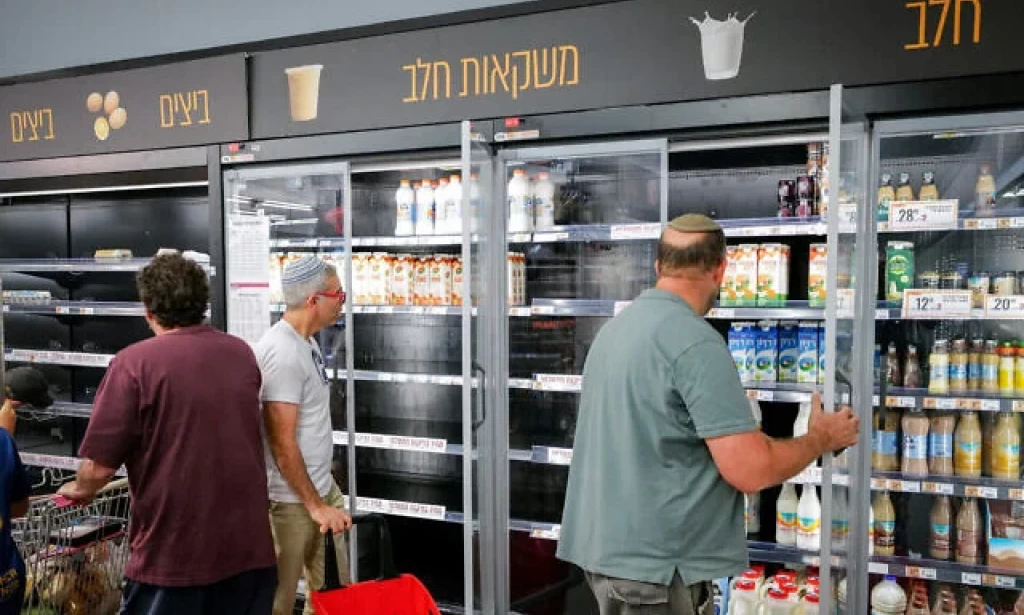

The iconic Krembo, a chocolate-coated marshmallow treat meant to serve as a stand-in for ice cream during the winter, is again filling store shelves and kids’ bellies as temperatures turn chilly. But this year, the sweet dessert is coming with a bitter aftertaste.
Kicking off the winter season, the Krembos manufacturer hiked the price of the Mallomar lookalike by 9 percent, the latest in a series of price hikes for the gooey snack, meaning a pack of eight now costs NIS 22 ($7), up from some NIS 14 ($4.40) just five years ago. That’s despite a decline in the costs of sugar, cacao, flour and other raw materials.
Krembo is just one of many food items that have become more expensive for consumers in Israel, a trend that was supercharged during the two years of war following the Hamas attack on October 7, 2023, and that has continued since, contributing to the already sky-high cost of living.
The Strauss Group and other food manufactures have attributed recent price hikes to what they say are significant and ongoing increases in production costs, including for electricity, municipal property taxes, wages and raw materials.
But critics say the problem is weak consumer protections that give producers practical carte blanche to keep raising prices.
“Retail chains have been raising prices although the cost of many of the raw materials or inputs that go into the products have been falling, and that is a sign that we have a severe problem of market power and monopolies in the food sector,” Dror Strum, a former head of what was then called the Antitrust Authority, who now heads the Israeli Institute for Economic Planning, told The Times of Israel. “Manufacturers and retail chains in the food sector, both of which operate as monopolies, don’t have any fear of raising prices because who would move them off the shelf?”
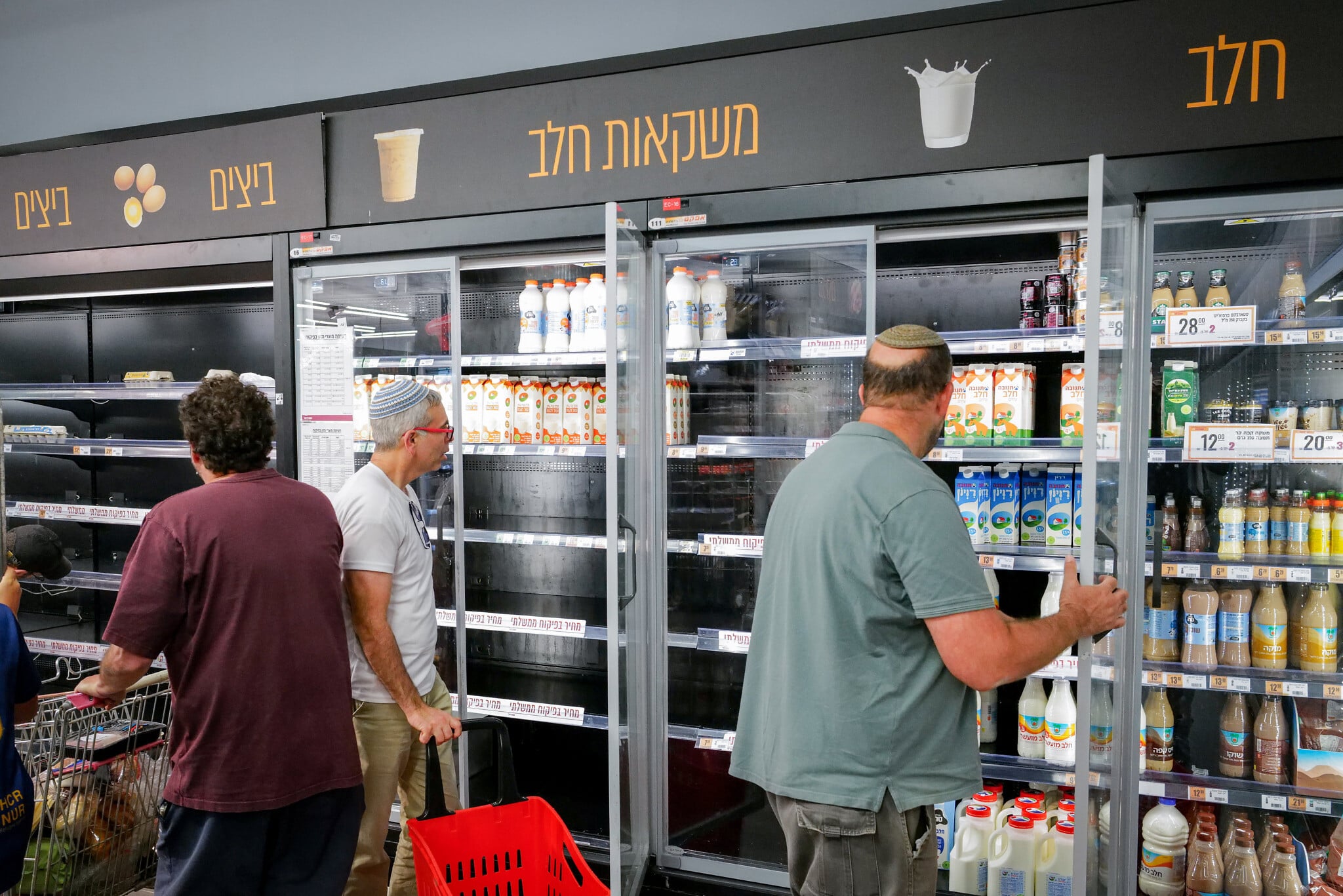
According to Strum, as Israelis stocked up on emergency supplies amid the war, manufacturers took advantage of captive consumers by sending prices rocketing upward.
“Israelis were worrying that they would have enough food in their homes when missiles fly over them and not about paying a few shekels or even NIS 20 more when buying their groceries — they certainly exploited that hardship,” Strum noted.

You must be logged in to post a comment.