

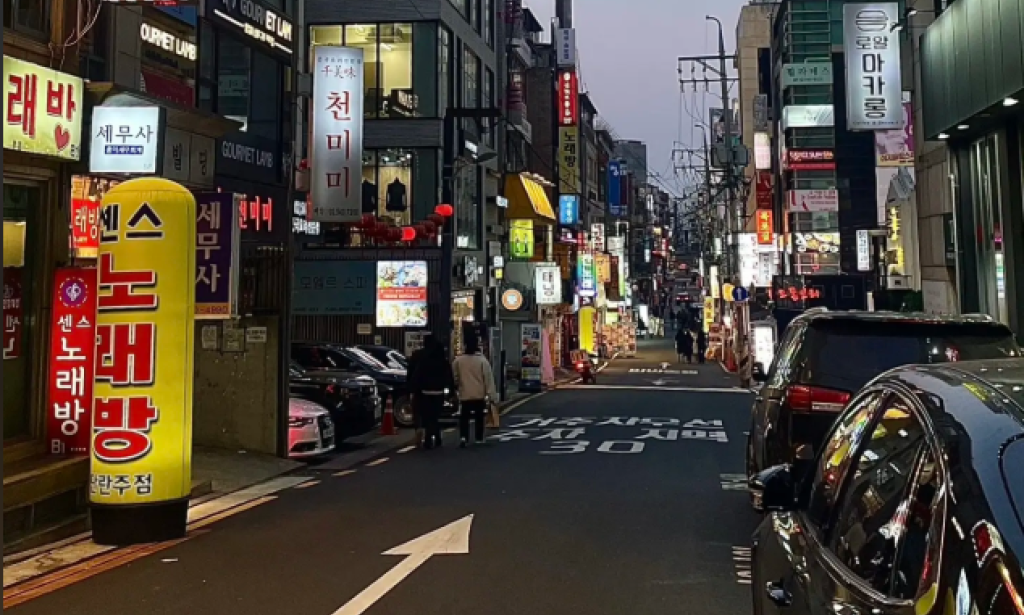

Seoul, South Korea’s capital and largest city, sits on the banks of the Han River in the northwest of the Korean Peninsula, a bustling metropolis of 10 million residents (25 million in the greater metropolitan area) where skyscrapers tower beside ancient palaces and traditional markets thrive alongside luxury shopping districts. With a history spanning over 2,000 years, Seoul has evolved from a small settlement during the Baekje Kingdom to the capital of the Joseon Dynasty (1392–1910) and now a global hub of technology, fashion, and culture. Spanning 605 square kilometers, Seoul is surrounded by low mountains—Bukhan Mountain to the north, Namsan to the south, and Gwanaksan to the southwest—creating a natural basin that traps mild temperatures in winter and cool breezes in summer. The Han River, which cuts through the city, divides it into two distinct districts: Gangbuk (northern Seoul), home to historical sites and traditional neighborhoods, and Gangnam (southern Seoul), a symbol of modernity and affluence.
Geographically, Seoul’s mountainous backdrop and riverfront location have shaped its urban development and lifestyle. The city’s mountains are not just scenic landmarks but also popular recreational areas, with well-maintained hiking trails that attract locals and tourists alike. Bukhan Mountain, the highest peak in Seoul at 836 meters, is a favorite among hikers, offering panoramic views of the city skyline and ancient fortresses like Bukhansanseong, a Joseon-era fortress built in the 14th century to defend the capital. Namsan Mountain, located in the center of Seoul, is home to the N Seoul Tower (formerly the Seoul Tower), a 236-meter-tall observation tower that offers 360-degree views of the city. The tower, illuminated at night with colorful lights, is a popular spot for couples and tourists, with a “love lock” fence where visitors can attach locks inscribed with their names as a symbol of eternal love. The Han River, which stretches 514 kilometers through South Korea, is a vital part of Seoul’s urban landscape, with 40 kilometers of its length passing through the city. The river’s banks are lined with parks, bike paths, and recreational facilities, making it a popular spot for picnicking, biking, kayaking, and fireworks displays.
Seoul’s historical heart lies in its Joseon-era palaces, which are among the city’s most important cultural landmarks. Gyeongbokgung, the largest and most iconic of Seoul’s five royal palaces, was built in 1395 as the main palace of the Joseon Dynasty by King Taejo, the founder of the dynasty. Destroyed by the Japanese during the Imjin War (1592–1598) and later rebuilt in the 20th century, Gyeongbokgung covers 410,000 square meters and features intricate wooden architecture, serene gardens, and over 50 buildings. The palace’s main gate, Gwanghwamun, is a national treasure, with a large wooden structure adorned with colorful paintings of dragons and phoenixes. Inside the palace, visitors can explore the Geunjeongjeon Hall, the throne hall where royal ceremonies and state affairs were held, and the Gyeonghoeru Pavilion, a stunning wooden pavilion set on a lake that was used for royal banquets. The National Palace Museum, located within the palace grounds, houses over 70,000 artifacts from Korea’s royal past, including royal costumes, furniture, and artwork.
Changdeokgung, another UNESCO World Heritage Site, is often called Seoul’s “most beautiful palace” for its harmonious blend of architecture and nature. Built in 1405, Changdeokgung was the favorite palace of many Joseon kings, who preferred its quiet, natural setting to the grandeur of Gyeongbokgung. The palace’s most famous feature is the Secret Garden (Huwon), a 78,000-square-meter garden that was reserved for the royal family. Designed to mimic natural landscapes, the garden features ponds, streams, pavilions, and ancient trees, with paths winding through forests and valleys. The Secret Garden is a masterpiece of Korean landscape design, emphasizing harmony between man and nature, and is especially beautiful in autumn, when the leaves change color. Other Joseon-era palaces in Seoul include Changgyeonggung, Deoksugung, and Gyeonghuigung, each with its own unique history and architectural style.
Modern Seoul is a playground for innovation and a global trendsetter in technology, fashion, and pop culture. Gangnam District, made famous by Psy’s 2012 hit song “Gangnam Style,” is a symbol of Seoul’s modernity, with luxury shopping malls, high-rise apartments, and the headquarters of major K-pop agencies like SM Entertainment and YG Entertainment. Apgujeong and Cheongdam-dong, neighborhoods in Gangnam, are known for their upscale boutiques, designer stores, and celebrity sightings, while COEX Mall, one of Asia’s largest underground shopping malls, features over 200 stores, restaurants, and a large aquarium. Myeongdong, located in Gangbuk, is a bustling shopping district that attracts millions of tourists annually, with street vendors selling cosmetics, fashion accessories, and street food, and department stores offering a wide range of Korean and international brands.
Seoul’s youth culture is centered in Hongdae (Hongik University area), a neighborhood in western Seoul known for its street art, indie music, and quirky cafes. Hongdae’s streets are lined with murals, graffiti, and street performers, including musicians, dancers, and magicians, creating a vibrant, creative atmosphere. The neighborhood is home to numerous indie music venues, art galleries, and design studios, as well as cafes with unique themes—from cat cafes and dog cafes to cafes shaped like bookstores and vintage shops. Hongdae is also famous for its nightlife, with bars, clubs, and karaoke rooms that stay open late into the night, attracting young locals and tourists.
Culturally, Seoul is the heart of hallyu (the Korean Wave), the global popularity of Korean pop culture, including K-pop, K-drama, and Korean cuisine. K-pop, in particular, has become a global phenomenon, with groups like BTS, Blackpink, and Twice selling out stadiums worldwide and topping international music charts. Seoul is home to numerous K-pop entertainment companies, as well as venues like COEX Artium (SM Entertainment’s museum and concert hall) and the K-pop Hall of Fame, where fans can learn about the history of K-pop and see memorabilia from their favorite artists. K-drama is also popular globally, with Seoul serving as a backdrop for many popular shows, including “Crash Landing on You” and “Squid Game.” Film studios like Lotte World Studio offer visitors the chance to explore sets from popular dramas and movies.
Seoul’s cuisine is a delicious blend of traditional and modern flavors, with something to suit every taste. Traditional Korean dishes like kimchi (fermented cabbage), bulgogi (marinated grilled beef), bibimbap (mixed rice with vegetables and meat), and tteokbokki (spicy rice cakes) are staples, available at restaurants and street food stalls throughout the city. Gwangjang Market, Seoul’s oldest traditional market, founded in 1905, is a street food paradise, with stalls selling everything from bindaetteok (mung bean pancake) and hotteok (sweet pancakes) to hoe-deopbap (sashimi rice bowl) and jokbal (braised pork feet). For a more upscale dining experience, Seoul offers a wide range of international cuisine, including Japanese, Chinese, Italian, and French, as well as fusion restaurants that blend Korean flavors with global trends. The city’s coffee culture is also thriving, with countless cafes offering specialty coffee, matcha lattes, and unique Korean coffee drinks like “patbingsu” (shaved ice with red bean paste and toppings).
Seoul’s infrastructure is a model of efficiency, with one of the world’s best public transportation systems. The Seoul Metro, which opened in 1974, has 22 lines covering over 300 kilometers, connecting every corner of the city and the greater metropolitan area. The subway is clean, reliable, and affordable, with signs in both Korean and English, making it easy for tourists to navigate. Buses and taxis are also readily available, and the city has a well-developed bike-sharing system, with bike paths along the Han River and throughout the city. Seoul is also a leader in technology, with high-speed internet, 5G coverage, and smart city initiatives that make daily life more convenient—from mobile payment systems to smart traffic lights.
What makes Seoul truly unique is its seamless blend of tradition and modernity. A short walk from Gyeongbokgung Palace, visitors can find themselves in Myeongdong’s bustling shopping streets; a ride on the subway from Gangbuk to Gangnam takes them from ancient temples to futuristic skyscrapers. The city honors its past through preserved palaces, traditional markets, and cultural festivals, while racing toward the future with innovation, technology, and global influence. Whether exploring historical sites, shopping for the latest fashion, enjoying delicious food, or immersing oneself in K-pop culture, Seoul offers an unforgettable experience that captures the essence of modern Korea.
You must be logged in to post a comment.