

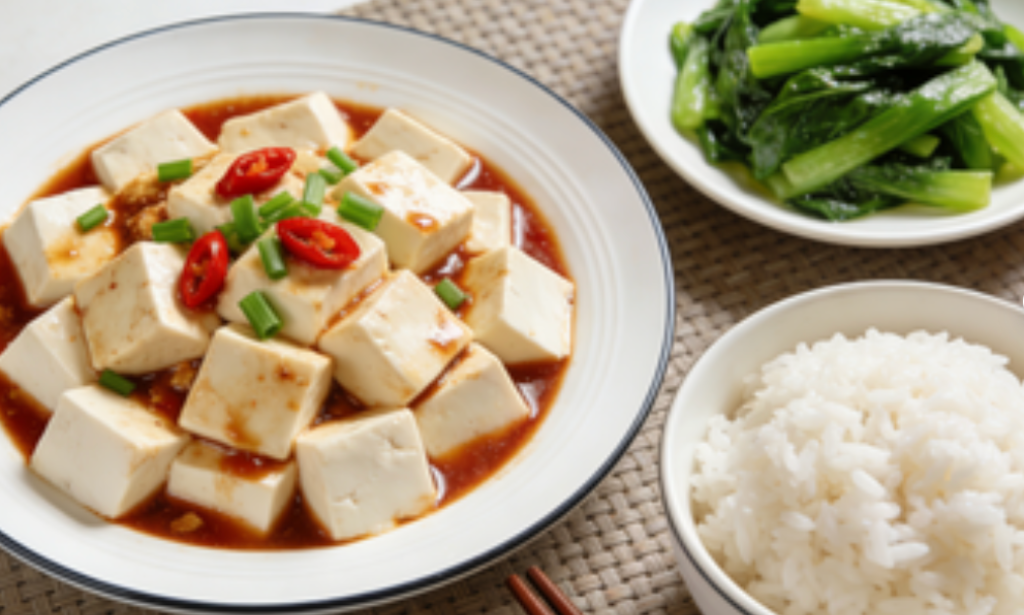

For those following a vegetarian, vegan, or plant-based diet, finding high-quality protein sources that support fat loss can be a challenge—but tofu is an excellent solution. Tofu is made from soybeans and is a complete protein, meaning it contains all nine essential amino acids. It’s also low in calories, high in fiber, and rich in vitamins and minerals, making it an ideal choice for the period. Additionally, tofu contains phytoestrogens that support hormonal balance, which is important for fat loss—especially in women. In this article, we’ll explore the fat loss effects and health benefits of tofu, and share how to incorporate it into your diet.
The high-quality plant-based protein in tofu is its primary fat loss benefit. A 100-gram serving of firm tofu contains approximately 8.7 grams of protein, which is comparable to some animal protein sources. Protein is crucial for fat loss because it boosts the thermic effect of food (TEF), increases satiety, and preserves lean muscle mass. The protein in tofu keeps you full for longer periods, reducing hunger and cravings for unhealthy foods. This makes it easier to stick to a calorie deficit, which is the key to fat loss. For example, a tofu stir-fry for dinner can keep you full until breakfast, preventing late-night snacking.
Tofu is also low in calories and fat—especially if you choose firm or extra-firm tofu. A 100-gram serving of firm tofu contains approximately 76 calories and 4.5 grams of fat (mostly unsaturated fats). This makes tofu a low-calorie protein source that can be eaten in larger quantities without exceeding your calorie budget. The unsaturated fats in tofu are healthy fats that support hormone production and satiety, further enhancing fat loss benefits.
Another key fat loss benefit of tofu is its high fiber content. A 100-gram serving of firm tofu contains approximately 2.4 grams of fiber, which slows down digestion, keeps you full for longer, and stabilizes blood sugar levels. Stable blood sugar prevents insulin spikes that promote fat storage, especially around the abdomen. The fiber in tofu also supports digestive health by promoting regular bowel movements and reducing bloating—a common issue during the period. Additionally, fiber feeds the beneficial bacteria in your gut, supporting a healthy gut microbiome that is linked to weight management.
Tofu also contains phytoestrogens, specifically isoflavones, which support hormonal balance. Hormonal imbalances (e.g., high estrogen levels) can contribute to weight gain and difficulty losing fat, especially in women. Isoflavones are plant compounds that mimic the effects of estrogen in the body, helping to balance hormone levels. This creates a more favorable environment for fat loss and can reduce symptoms like bloating and cravings that are associated with hormonal fluctuations. Additionally, isoflavones have anti-inflammatory properties that reduce chronic inflammation, which hinders fat loss.
Beyond fat loss, tofu offers a range of other health benefits. It’s an excellent source of calcium, which is essential for bone health and muscle function. Calcium also plays a role in fat metabolism—some studies have shown that adequate calcium intake can help reduce fat storage. Tofu is also rich in iron, which is important for transporting oxygen to cells and preventing fatigue, and magnesium, which supports energy production and blood sugar regulation. For those looking to reduce their meat intake, tofu is a convenient and affordable way to meet daily protein needs.
To maximize the fat loss benefits of tofu, it’s important to choose the right type and prepare it properly. Opt for firm or extra-firm tofu, as it has a higher protein content and lower water content than soft tofu. This makes it ideal for cooking methods like baking, grilling, or stir-frying. Before cooking tofu, press it to remove excess water—this helps it absorb flavors better and gives it a firmer texture. To press tofu, wrap it in paper towels or a clean cloth and place a heavy object on top for 15-30 minutes.
Incorporating tofu into your diet is easy and versatile. For lunch or dinner, try a tofu stir-fry with mixed vegetables (e.g., broccoli, bell peppers, snap peas) and a small serving of quinoa or brown rice. You can also bake tofu with herbs and spices for a crispy, healthy snack or add it to salads for extra protein. For breakfast, scramble tofu with vegetables and spices as a vegan alternative to eggs. Tofu can also be used as a substitute for meat in recipes like tacos, burgers, or chili—this reduces the calorie and fat content while still providing protein.
It’s important to practice portion control with tofu, as it’s still a calorie-dense food. A typical serving size is 100-150 grams of firm tofu, which provides 8.7-13 grams of protein and 76-114 calories. Additionally, be mindful of the sauces and seasonings you add to tofu—high-calorie sauces like soy sauce (high in sodium), teriyaki sauce, or creamy dressings can increase the calorie content. Stick to low-sodium soy sauce, tamari, or vinegar-based sauces for flavor.

You must be logged in to post a comment.